

39° 59′ 44.558″ N, 0° 5′ 20.078″ W – 4th August 1979
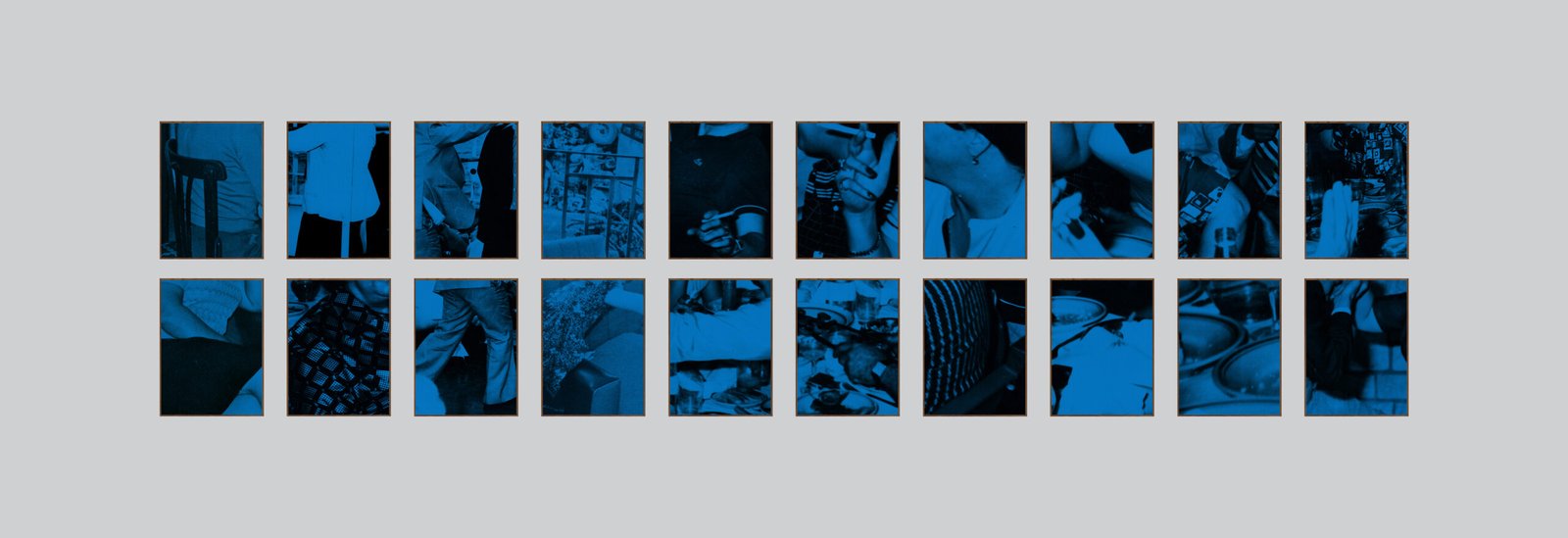
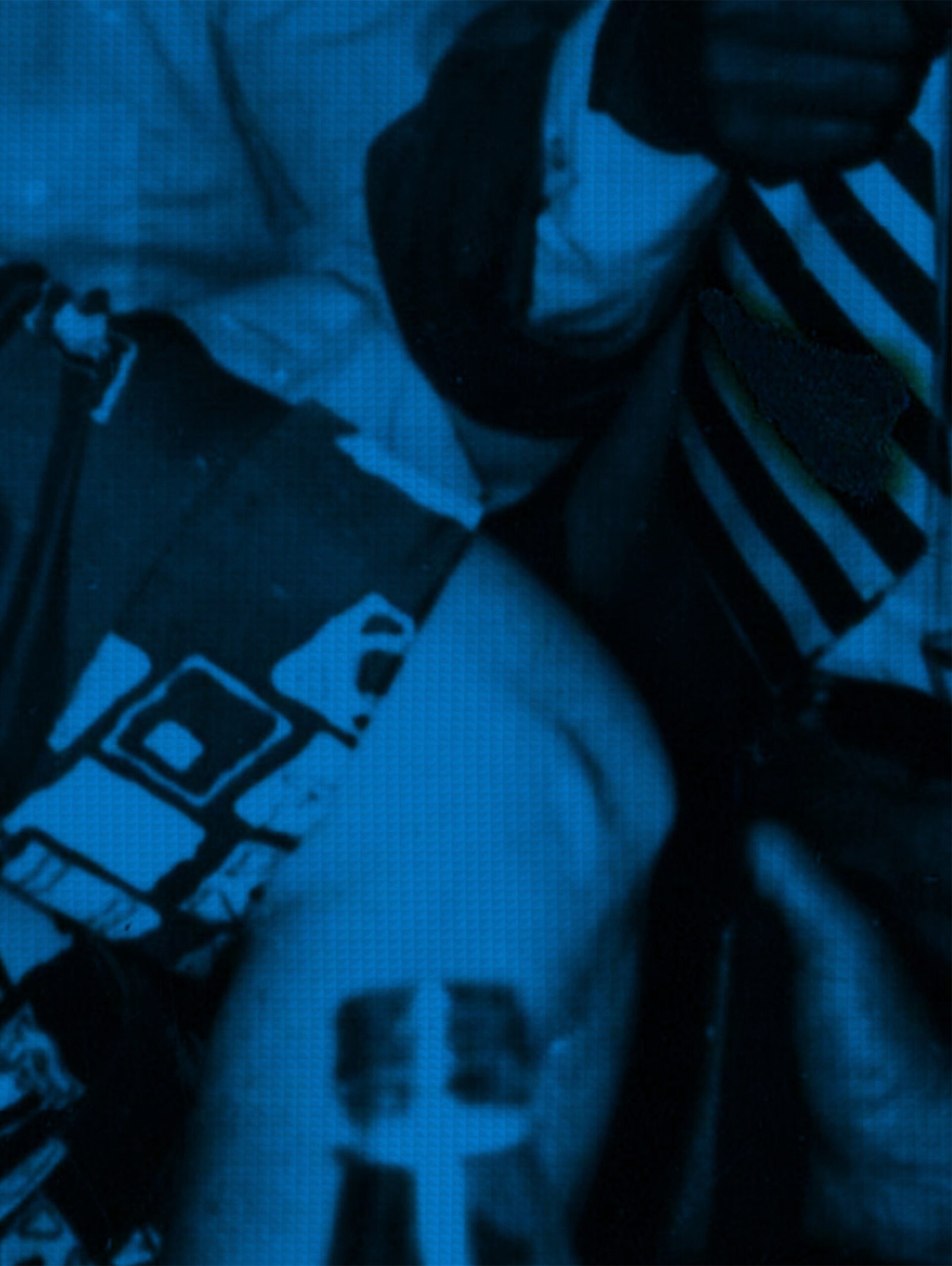
1 / 2
- Medium: mixed_media
- Technique: Print Installation on acoustic paper
- Dimensions: 500x150
- Year: 2024
- Availability: disponible
Curatorial text
In Carlos Sebastiá’s work, memory becomes structure: fragmented, layered, unstable, yet deeply precise. His images emerge from places where recollection has already passed through time, matter and subjectivity. Memory appears here as a field of transformation, where the past is arranged, displaced and reactivated through image, surface and touch.
In this piece, the title itself becomes significant. The coordinates locate a point in the world with almost scientific precision: a latitude, a longitude, a date. This exactitude stands beside something far more unstable: the emotional life of memory. That tension gives the work its force. The painting uses the language of precision to speak about human experience, where facts remain fixed while meaning continues to move.
Coordinates promise objectivity, while the painting introduces doubt, atmosphere and drift. The date suggests archive, while the image opens into interpretation. Photography brings the trace of record; pictorial intervention brings gesture, hesitation, touch and presence. What we see is the residue of experience after it has passed through consciousness.
Carlos works with industrial materials, photographic transfers and pictorial interventions as if reconstructing traces rather than preserving images. The surface becomes a place where memory is activated again: altered by time, filtered through perception, and returned to the present as a living fragment.
There is a quiet intelligence in this process. The work holds together accuracy and uncertainty, document and emotion, structure and disappearance. It gives form to the fragile condition of memory: its need for coordinates, its resistance to closure, its capacity to remain alive through transformation.
This piece speaks from that threshold. It locates a place, but also opens a distance. It fixes a date, but also releases time. It gathers fragments and turns them into presence. In Sebastiá’s hands, memory becomes matter, and matter becomes a way of thinking.